Ibrahim Kaskar
Mafia Queens of MumbaiIbrahim Kaskar occupies a unique and paradoxical position in the annals of the Mumbai underworld: a police constable by profession, yet a figure of immense respect and trust within the very criminal circles he was sworn to police. He is best known as the father of Dawood Ibrahim, the don who would rise to control the D-Company, but his own story is deeply interwoven with the lives of the city's most powerful smugglers and gangsters. His significance lies not in his own criminal exploits, but in his role as a bridge between the forces of law and the emergent power structures of the underworld, a connection that would prove crucial in shaping the destinies of both his family and his associates.
Identity and Background
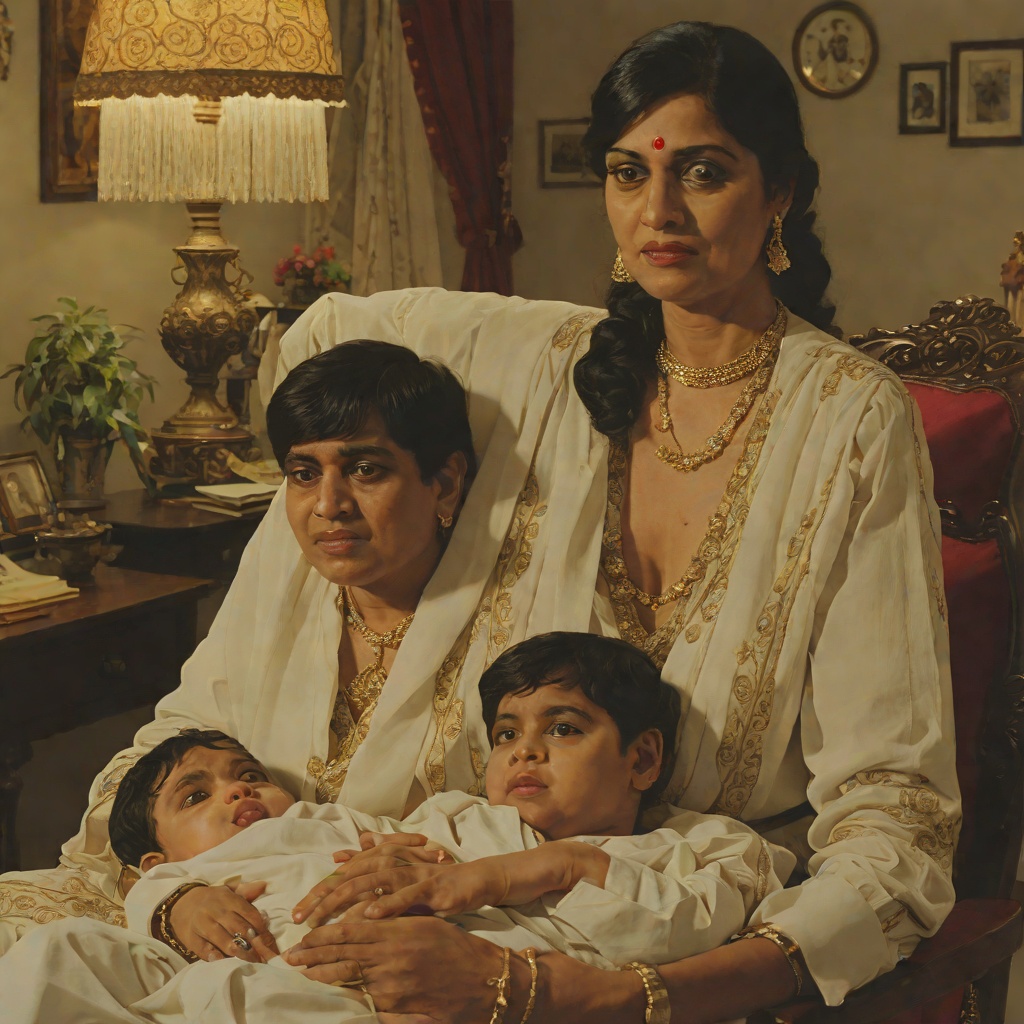
Ibrahim Kaskar's identity is defined by his dual allegiance to the state and to his community. As a police constable, he represented the official order of Bombay, yet his personal relationships placed him at the heart of its most illicit networks. His family, consisting of his wife Aamina and their children, including Dawood, lived a life that was intimately connected to the city's bootlegging and smuggling scene. The most telling evidence of this connection is the relationship his family shared with Jenabai Daaruwali, the formidable bootlegger who thrived during the prohibition era. Jenabai developed friendly relations with the police during this time, and the Kaskar family became like family to her. The children of Ibrahim and Aamina treated Jenabai as a second mother, a bond that transcended the usual boundaries between a law enforcer's household and a criminal's domain. This closeness suggests that Ibrahim's home was not merely a private residence but a social hub where the lines between the police and the underworld were comfortably and routinely crossed.
Role in the Underworld's Power Dynamics
Ibrahim's influence was most visibly demonstrated during moments of high tension within the underworld. His role as a peacemaker was crucial, particularly when the volatile personalities of his own sons threatened to disrupt the fragile equilibrium among the city's gangs. During a critical meeting at Mussafir Khana, called to address a brewing conflict, Jenabai was less concerned about the other attendees than she was about Dawood and his brother Sabir. To suppress the duo's volatility, Jenabai had specifically asked the smuggler Haji Mastan to call her close friend Ibrahim Kaskar to the meeting. His presence was seen as a necessary calming influence, a testament to the authority he commanded over his own sons and the respect he held among the other assembled gang leaders, including the Pathan chief Karim Lala. The fact that the meeting was held in cold silence with all the major players present, and that Ibrahim's attendance was considered essential to maintaining order, underscores his unique standing as an elder whose word could temper the aggression of the younger generation.
A Personal Encounter and a Father's Burden
The weight of his sons' activities bore heavily on Ibrahim, as revealed in a poignant scene at Mussafir Khana. When Jenabai made an unexpected visit, she found Ibrahim sitting on a single bed at the end of the room with his hand on his head, tense, angry, and yet with an air of fragility hanging about him because of his age. The atmosphere in the room was solemn. When Jenabai entered, he greeted her with a respectful 'Salaam Jenabai, come in. How come you are here?' and she explained that she had heard about Dawood and had come to meet him, asking if his son had come home. This moment captures the human cost of the underworld life, showing Ibrahim not as a powerful figure, but as an aging, worried father grappling with the dangerous path his son had chosen. His fragility in this scene contrasts sharply with the authority he wielded in the meeting, revealing the personal anxiety that lay beneath his public composure.
Legacy and Significance
The legacy of Ibrahim Kaskar is inextricably linked to the rise of his son, Dawood. An apocryphal story about his death illustrates the immense power his son would later wield. When Ibrahim passed away, Dawood arranged for truckloads of rose petals to be showered on his father's grave. For three days, the fragrance of roses reportedly wafted across the graveyard at Bada Qabrastan. This grand, almost theatrical gesture of remembrance not only honored the deceased constable but also served as a public display of the wealth and influence that his son had amassed. The story, whether true or embellished, highlights the dramatic transformation of the Kaskar family's fortunes from a constable's modest household to the epicenter of a global criminal empire. Ibrahim's life, therefore, serves as a foundational chapter in the story of the Mumbai underworld, a figure whose personal connections and familial role helped to shape the environment in which his son could rise to become one of the world's most wanted men. His story is a testament to the complex, often contradictory, social dynamics of a city where the guardians of law and the architects of crime were not always on opposite sides.